Are you tired of constantly being disturbed by footsteps and voices from the floor above? Do you dream of having a peaceful and quiet living environment? If so, it's time to consider soundproofing your flooring. By minimizing noise transmission, improving privacy, enhancing acoustic quality, and increasing overall comfort, soundproofing flooring can completely transform your space. However, before embarking on this project, it's important to weigh the costs, installation complexities, and potential drawbacks. In this blog post, we will delve into the advantages and disadvantages of soundproofing flooring, explore the reasons why people choose to soundproof, and offer practical tips for achieving effective soundproofing. Whether you live in a multi-story building or simply desire a serene sanctuary, this article will unveil the incredible benefits of soundproofing your floor.
Pros of soundproofing flooring:
1. Reduced noise transmission: Soundproofing flooring can greatly reduce the amount of noise traveling between floors or rooms, providing a quieter living environment.
2. Enhanced privacy: Soundproofing can prevent others from hearing your conversations or activities, offering more privacy within your living space.
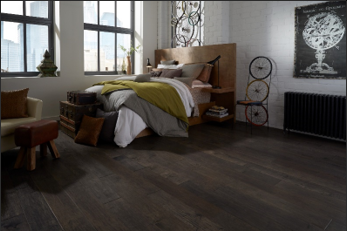
3. Improved acoustic quality: Soundproofing can enhance the overall sound quality in a room, making it more enjoyable for activities like music listening or home theater setups.
4. Increased comfort: Soundproofing materials like carpet or underlayment can also provide additional insulation and cushioning, making the floor more comfortable to walk on.
5. Better sleep quality: Soundproofing the flooring can help day sleepers or night workers by minimizing external noises that can disrupt their sleep. This can lead to better rest and improved productivity.
6. Increased property value: Soundproofing flooring can be seen as a valuable feature by potential buyers or tenants. It can add to the overall appeal and desirability of a property, potentially increasing its value.
7. Energy efficiency: Some soundproofing materials, such as underlayment, can also provide thermal insulation, helping to maintain a more stable indoor temperature and potentially reducing energy consumption for heating or cooling.
Cons of soundproofing flooring:
1. Cost: Soundproofing materials and installation can be expensive, especially if the entire space requires soundproofing.
2. Installation complexity: Certain soundproofing methods may require professional installation or extensive DIY work, which can be time-consuming and challenging for some individuals.
3. Height increase: Some soundproofing methods, like rubber underlayment, can add height to the floor, which might require adjustments to door frames or other elements in the space.
4. Limited impact on airborne noise: While soundproofing can significantly reduce impact noise (footsteps, furniture movement, etc.), airborne noise like voices or music may still seep through walls or other openings.
To soundproof flooring, you can:
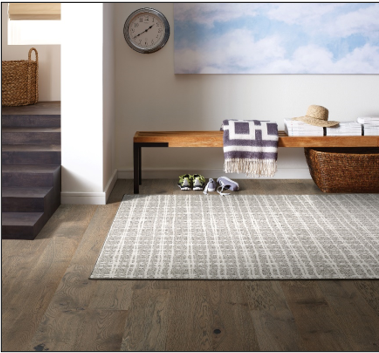
1. Use carpet or area rugs to absorb sound vibrations.
2. Install soundproof underlayment made of materials like rubber or cork beneath the flooring.
3. Utilize acoustic floor tiles or panels that are specifically designed to reduce sound transmission.
4. Fill gaps and seal any openings in the flooring to minimize noise leakage.
Deciding whether or not to soundproof your flooring depends on your personal preferences, situation, and budget. If reducing noise and ensuring privacy are important to you, then soundproofing can be extremely beneficial. It can create a tranquil atmosphere and enhance the acoustic quality of your space. However, you should also consider the expenses, installation complexities, potential impact on the appearance of your space, and whether you're willing to take on a DIY project. Despite these factors, soundproofing flooring is often a worthwhile investment.